Finding a credit card without a traditional credit check can feel challenging, especially for people who are new to credit or working to rebuild their financial profile. In recent years, a growing number of financial institutions and fintech companies have introduced options designed to make approval faster and more accessible. These cards often focus on alternative approval methods, security deposits, or limited risk structures rather than relying solely on a full credit history. Understanding how these products work—along with reviewing real examples of available cards—can help applicants make informed, responsible decisions.
Credit cards marketed as no credit check or fast approval typically fall into a few main categories. Some are secured credit cards that require a refundable deposit, which reduces the lender’s risk and may allow approval without a traditional hard inquiry. Others include store cards, prepaid-style cards with credit-building features, or fintech products that evaluate income, banking behavior, or spending patterns instead of relying entirely on a credit score. While approval may be easier, these cards can carry fees, lower limits, or higher interest rates, making it important to review the full terms before applying.
How No Credit Check Credit Cards Work
Traditional credit cards rely heavily on credit bureau data to determine eligibility, limits, and interest rates. By contrast, cards advertised as no credit check often use alternative underwriting or reduced-risk structures. For example, secured cards hold a deposit that usually becomes the spending limit. Because the issuer already has collateral, approval can happen more quickly and sometimes without a hard pull on a credit report.
Common secured card examples in the United States include:
- Discover it® Secured Credit Card
- Capital One Platinum Secured Credit Card
- OpenSky® Secured Visa® Credit Card
These cards are widely known for helping users establish payment history when used responsibly, although approval, deposits, and terms vary by applicant.
Some modern fintech cards connect directly to a checking account and monitor income consistency or cash flow. Instead of evaluating past borrowing behavior, these issuers assess the likelihood of responsible repayment based on current financial activity. Examples of credit-builder style fintech products include:
- Chime Credit Builder Visa® Card
- Self Visa® Credit Card
Even when a product avoids a hard inquiry during approval, many still report payment activity to major credit bureaus. Responsible use—such as paying on time and keeping balances low—may contribute to building a positive credit history over time. However, missed payments or high balances can still have negative effects if the account is reported.
Common Features of Fast Approval Cards
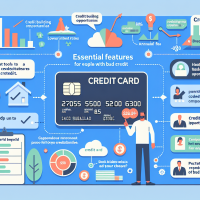
Credit cards designed for quick approval often share similar characteristics. While details vary by issuer, applicants frequently encounter:
- Lower starting credit limits, sometimes equal to a security deposit
- Higher interest rates compared to traditional prime credit cards
- Annual or monthly maintenance fees in some cases
- Limited rewards or benefits during the early stages
- Credit reporting that may help build payment history with responsible use
These features reflect the increased risk lenders take when approving applicants without strong credit backgrounds. Over time, some issuers review accounts for upgrades, deposit refunds, or higher limits once consistent on-time payments are demonstrated.
Potential Benefits for Credit Builders
For individuals with limited or damaged credit histories, easier-approval cards can provide a structured path toward improvement. Establishing even one positive account—such as through a secured card or fintech credit-builder product—may gradually influence future lending decisions. Responsible card usage, especially consistent on-time payments and low utilization, remains one of the most widely recognized factors in credit profile development.
Another advantage is speed and accessibility. Many modern applications provide near-instant decisions and digital account access. This convenience can help applicants address short-term purchasing needs or begin rebuilding credit without lengthy waiting periods. Some cards also include budgeting tools, spending alerts, or automatic payment reminders that encourage responsible habits.
When used carefully, these products can function as stepping stones toward more traditional financial options. After several months of positive history, some cardholders may qualify for unsecured cards, lower rates, or broader rewards programs, depending on the issuer’s review policies.
Risks and Costs to Consider
Despite the convenience, fast-approval credit cards are not risk-free. Fees and interest charges can accumulate quickly if balances are carried month to month. Because starting limits are often small, even modest spending can lead to high credit utilization, which may impact credit-building progress.
Applicants should also watch for:
- Hidden or recurring fees listed in the card agreement
- Very high APRs that increase long-term borrowing costs
- Limited customer protections on certain nontraditional products
- Marketing language that emphasizes approval speed more than total cost
Reading the full terms and conditions remains essential. Comparing multiple offers—including secured cards, fintech credit-builder cards, and retail cards—can reveal meaningful differences in fees, reporting practices, and upgrade opportunities.
Tips for Choosing the Right Option
Selecting a suitable credit-building card involves more than approval speed. A thoughtful comparison can help reduce long-term costs and improve financial outcomes. Key factors to review include whether the card reports to all major credit bureaus, how deposits or limits may change over time, and whether fees are reasonable compared to alternatives.
Helpful evaluation steps include:
- Confirming credit bureau reporting for payment history
- Reviewing total annual cost, not just approval claims
- Checking upgrade or graduation policies to unsecured cards
- Setting up automatic payments to avoid late fees
- Keeping balances well below the limit whenever possible
These habits can support steady credit improvement while minimizing unnecessary expenses.
The Growing Role of Fintech in Credit Access
Financial technology companies continue reshaping how credit approval works. By analyzing banking data, employment income, or spending consistency, some issuers aim to expand access beyond traditional scoring models. This trend reflects broader industry interest in financial inclusion and alternative risk assessment.
However, innovation also brings variability. Not all fintech credit products operate under identical fee structures or consumer protections. Regulatory oversight, transparency, and responsible marketing remain important considerations as the market evolves. Consumers benefit most when new tools combine accessibility with clear, fair terms.
Final Thoughts
No credit check, fast approval credit cards can offer meaningful opportunities for individuals seeking to build or rebuild credit. While approval may be easier, these products still require careful management and full awareness of costs. Reviewing real card options, understanding issuer requirements, and using credit responsibly remain essential steps toward long-term financial progress.
Comparing offers, reading disclosures, and focusing on sustainable habits can help transform a simple starter card into a stepping stone toward stronger financial stability. With thoughtful decision-making, even limited-access credit products may contribute to broader financial growth over time.
This article is for informational purposes only and does not constitute financial, legal, or credit advice. Credit card terms, approval requirements, and reporting practices vary by issuer and may change over time. Individuals should review official disclosures and consider consulting a qualified financial professional before making credit decisions.